Temperature logs stuck in a notebook
Nobody in the office can say which reading was taken when, because it’s still sitting in a handwritten log on-site, not the record you can actually produce.

Water hygiene
Hospitals, schools, and commercial sites rely on you to keep their water safe for the people who use them every day. A missed monthly reading puts those people at risk and leaves a record nobody can produce when it’s asked for.
Joblogic gives water hygiene contractors one system for risk assessment scheduling, monitoring rounds and remedial works, so that every reading, assessment, and certificate is on record and easy to find.
The work runs on temperature checks and test dates, and one missed cycle is what a client asks about first.
Nobody in the office can say which reading was taken when, because it’s still sitting in a handwritten log on-site, not the record you can actually produce.
An insurer or new client asks to see the Legionella risk assessment, and only then does anyone notice the two-year cycle lapsed with nobody tracking it centrally.
A risk assessment flags a tank that needs descaling or disinfection, and the action sits on a list nobody owns until the next audit finds it still open.
A trust or academy group asks for compliance evidence across every building at once, and the answer lives in different formats with different contractors on different sites.

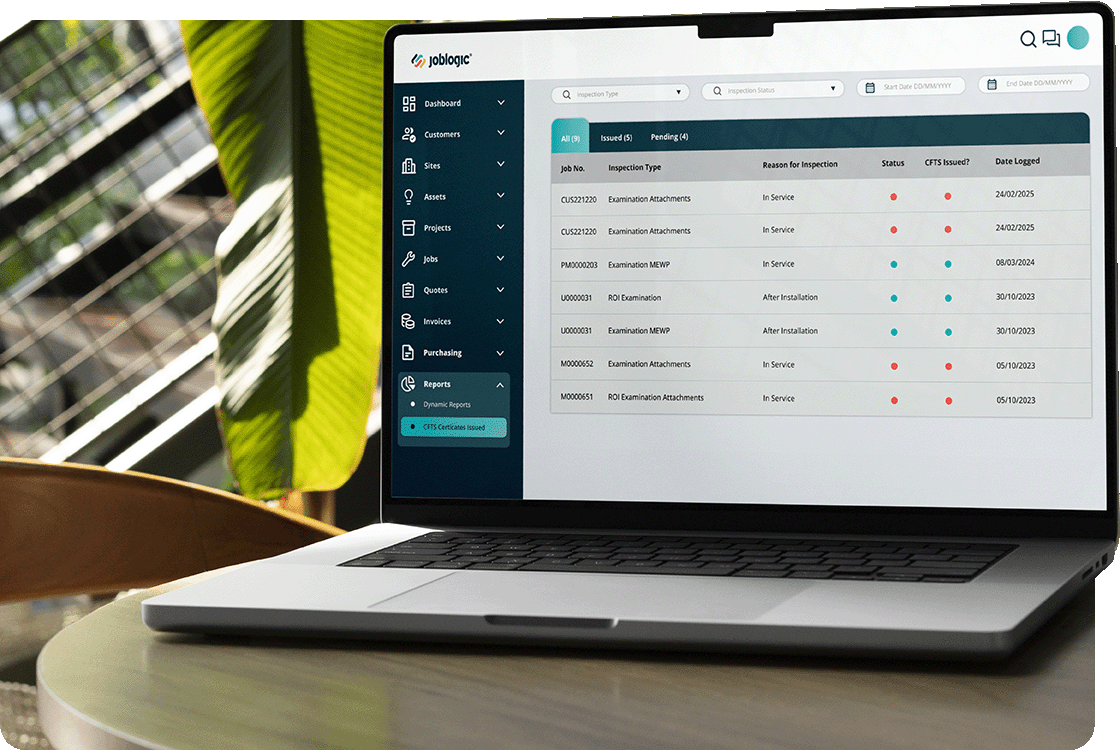
Every temperature log, risk assessment and disinfection record sits against the site, ready to hand over the moment a client or insurer asks.
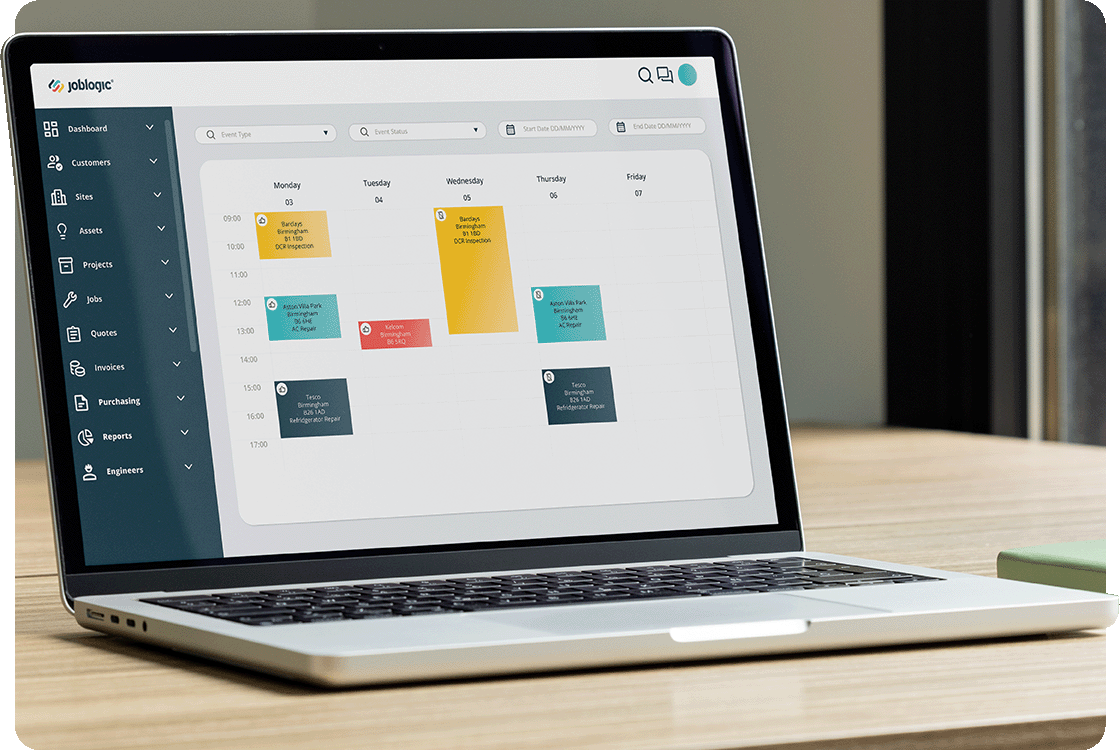
Know which sites are due a temperature round or a risk assessment renewal this month, instead of relying on someone to remember the schedule.
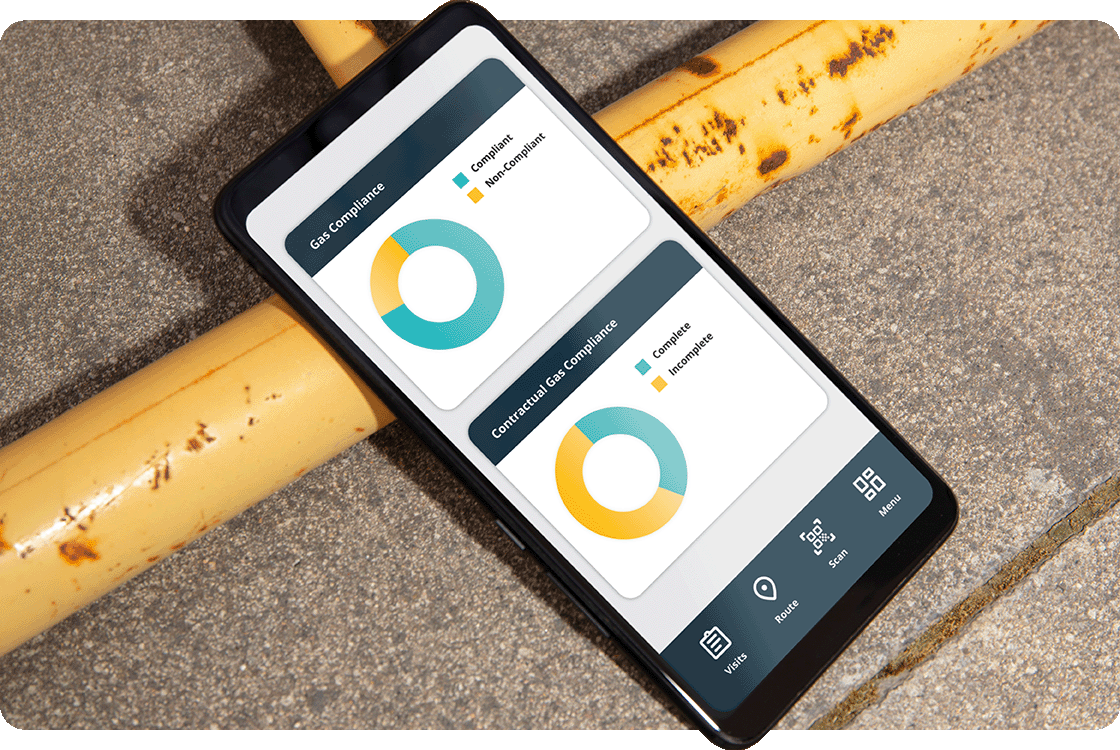
A temperature reading logged against the tank, with a timestamp and photo, replaces a handwritten note filled in from memory later.
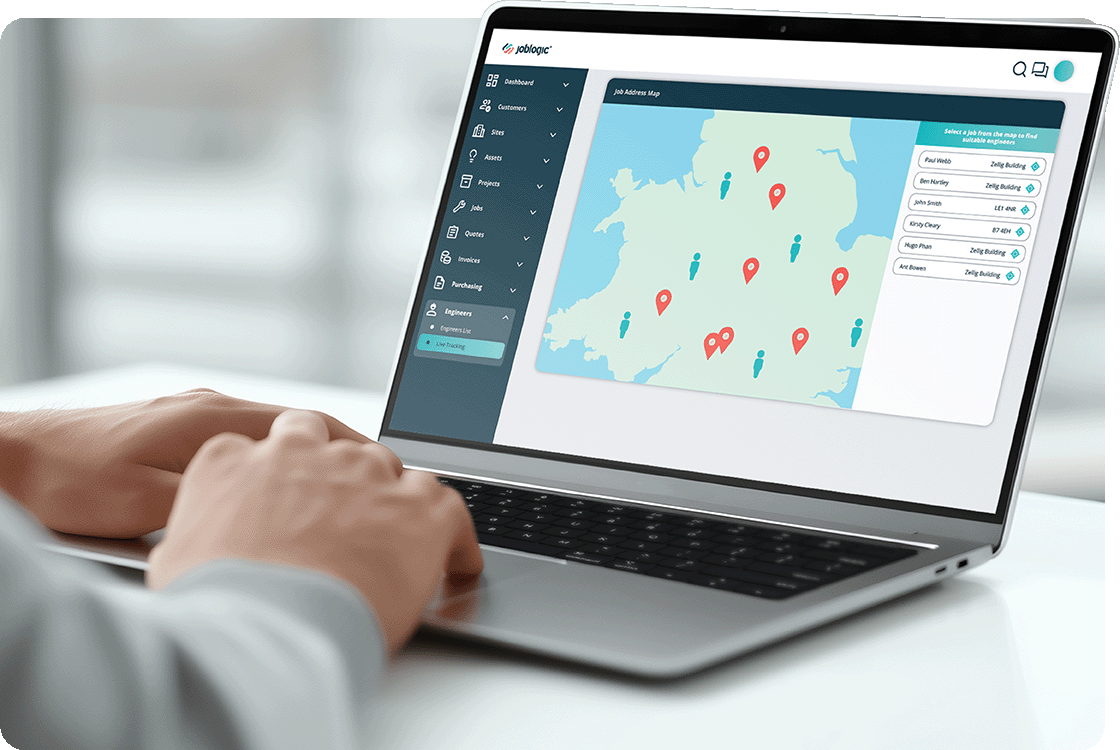
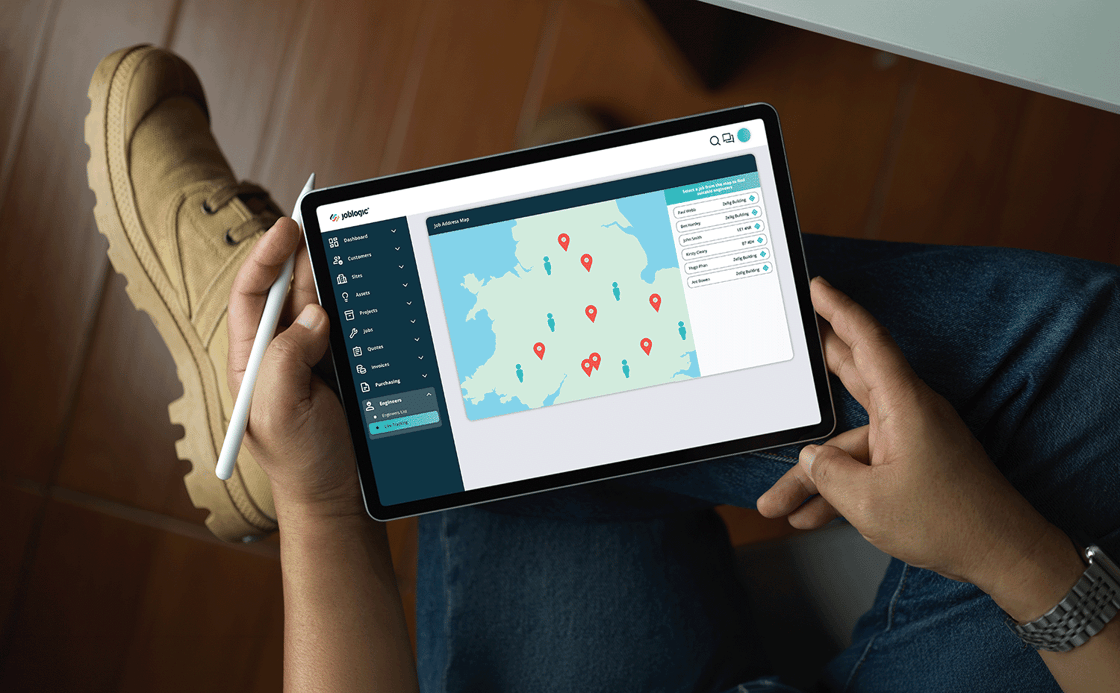
Match qualified water treatment engineers to monitoring rounds, remedial work and reactive callouts across every site on one schedule.
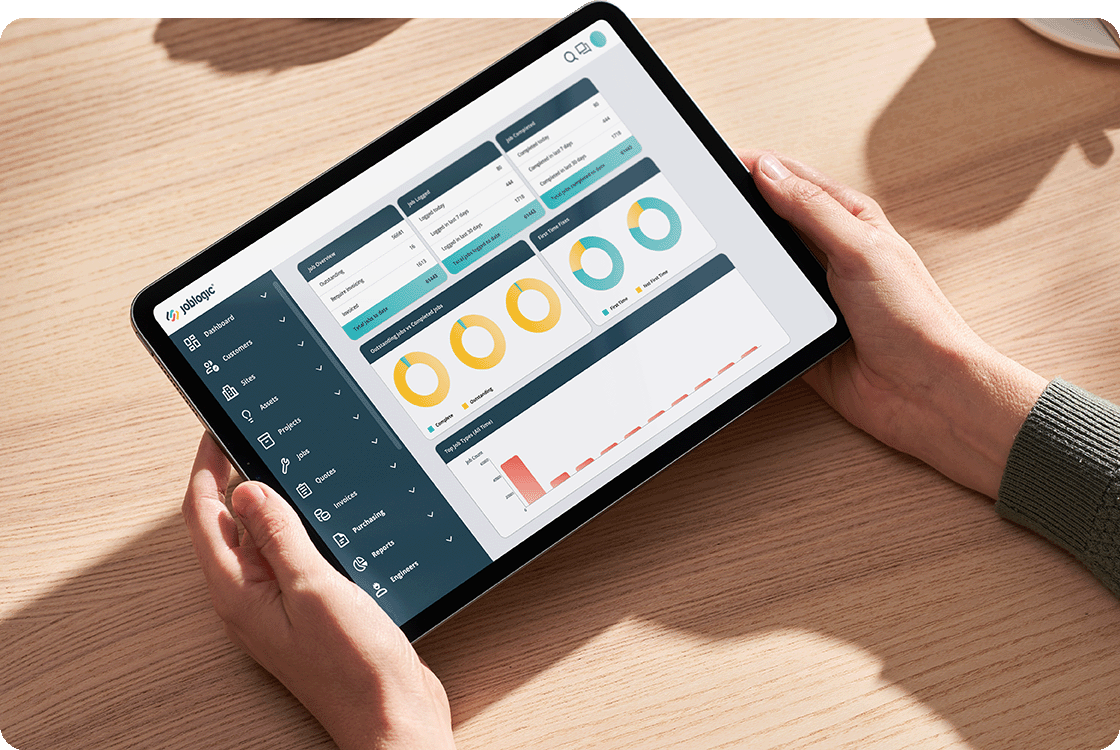
Hold every certificate, reading, and remedial record against the site it belongs to, so a missing record never costs you the contract.
Temperature rounds, risk assessments, remedial work and certificates sit in one place, not five separate systems.
Temperature readings, tank inspections and disinfection records get logged on site with a timestamp and photo, not written up later from memory in the office.
Risk assessment revalidation and monitoring rounds trigger automatically per site, per cycle, so a two-year renewal date never slips past its window unnoticed.
A remedial action from a risk assessment attaches to the tank or asset it relates to, and stays open and visible until the work is actually done.
Certificates, monitoring records and risk assessments live in one place per site, and a trust, academy or landlord gets their own view of it.
One dashboard shows monitoring status, risk assessment expiry and open remedial actions across every site and client, so oversight doesn’t depend on chasing site files.
Every temperature reading, tank inspection and disinfection record attaches to the asset as it’s completed, stored digitally against ACOP L8 and HSG274 risk assessment cycles.
When a duty holder, insurer or environmental health officer asks for proof, you export the record instead of rebuilding it from a site log book. The scramble stops.

For us, Joblogic covers what would normally take two or three different software packages.
Who this touches depends on how big your operation is. A two-engineer water hygiene firm runs every risk assessment and reading through one person; a national contractor managing hundreds of NHS and education sites splits it across a full team.
Takes on hospital, school, and commercial contracts without the compliance risk and admin load growing at the same rate, because every certificate already lives in one place.
See how it works for ownersSchedules qualified water treatment engineers across monitoring rounds, remedial work and reactive callouts, and replans the day when an urgent job lands on top of a planned round.
See how it works for operationsInvoices remedial descaling and disinfection work the day it’s completed, instead of waiting on paperwork from an engineer’s van the following week.
See how it works for finance leadersYou answer for ACOP L8 and HSG274 evidence across every NHS trust, academy trust and commercial estate on the portfolio. Joblogic builds that evidence contract by contract, so renewal starts from an export, not a scramble.
See how it works for contract managersEvery water treatment engineer holds a certification on its own renewal date, and you answer when the rota outruns the paperwork. Joblogic flags who’s certified and who’s due for renewal before that happens.
See how it works for HR managers80% of Joblogic users work from the mobile app day to day, a figure that holds across the wider customer base, not water hygiene exclusively. On a water hygiene job that means a temperature reading and a tank photo get logged on site, at the point the round happens, not remembered back at the office later.
Works with the accounting you already use, and holds together whether you cover ten sites or ten thousand.
Connects to Xero, Sage, and QuickBooks, so invoicing for monitoring rounds and remedial work reconciles without re-keying figures by hand.
Structured around the NHS trusts, academy trusts and commercial site portfolios water hygiene contractors actually manage, not a generic branch model.
Built around ACOP L8, HSG274, and BS 8580, the guidance a client, insurer or environmental health officer actually checks your records against.
Yes. Every temperature reading, tank inspection, disinfection record and risk assessment attaches to the site and asset as it’s completed, and exports as a single record when a client, insurer or environmental health officer asks for it. There’s no rebuilding a compliance file from a site log book on the day it’s requested.
Yes. Temperature monitoring, tank inspection, cleaning, and disinfection all run through the same job, asset and compliance record. You’re not logging into a separate system for each type of work, and a single site’s history covers everything done there, not just one visit type.
Yes. Subcontracted engineers get a portal scoped to the sites and jobs you assign them. You see readings and compliance documents as they’re logged, without opening the rest of your account to a business outside your own, and without chasing them for paperwork afterwards.
Yes. Every site carries its own monitoring schedule, certificate history and risk assessment expiry, viewed together or site by site. Consistency doesn’t depend on one person remembering the renewal pattern for each individual building, so cover doesn’t slip when that person is away or moves on.
Both. The same monitoring, certificate, and asset structure holds whether you’re a two engineer firm covering local schools or a national contractor managing hundreds of NHS and education sites at once. What changes as you grow is the scale, not the underlying record or the way it’s built.
It replaces it. Monitoring rounds, risk assessment scheduling, remedial work and certificates run from one system rather than a paper log book feeding a separate diary, so there’s one version of what’s due, what’s overdue and what’s already been done, not two versions that quietly disagree.
Yes. A reactive fault or a client complaint slots into the schedule alongside planned temperature rounds and risk assessment work, so an urgent job doesn’t mean the rest of the week’s monitoring quietly slips. The planner sees both types of work on the same screen, not two separate diaries to reconcile by hand.
Thirty minutes on your own sites: how temperature rounds and risk assessments get tracked per site, how remedial work turns into evidence, and how engineers log readings on the mobile app.