No warning before equipment fails
You find out the extraction canopy has failed when the kitchen calls, not from a service history that could have flagged it a week earlier.

Catering and hospitality
A walk-in fridge failing on a Friday shuts a kitchen that evening. Engineers get sent on gut feel, compliance certificates sit in a filing cabinet, and nobody can say which site in a chain is next due a service until something breaks.
Joblogic gives catering equipment engineers, service managers and multi-site account managers one system for job dispatch, F-Gas, and gas safety records, and site history, so an emergency callout doesn’t mean losing the planned maintenance round behind it.
Kitchens can’t wait, chains can’t see every site, and certificates need to be ready before anyone asks.
You find out the extraction canopy has failed when the kitchen calls, not from a service history that could have flagged it a week earlier.
The fridge you were meant to check this month becomes next month’s emergency, because the planned round keeps losing to whatever callout landed today.
A job needing an F-Gas certified engineer goes to whoever’s free, and you find out the certification doesn’t match once they’re already on site wasting the visit.
A restaurant chain’s head office asks for temperature logs and gas certificates for one site, and you rebuild the file from paper records and old service sheets.

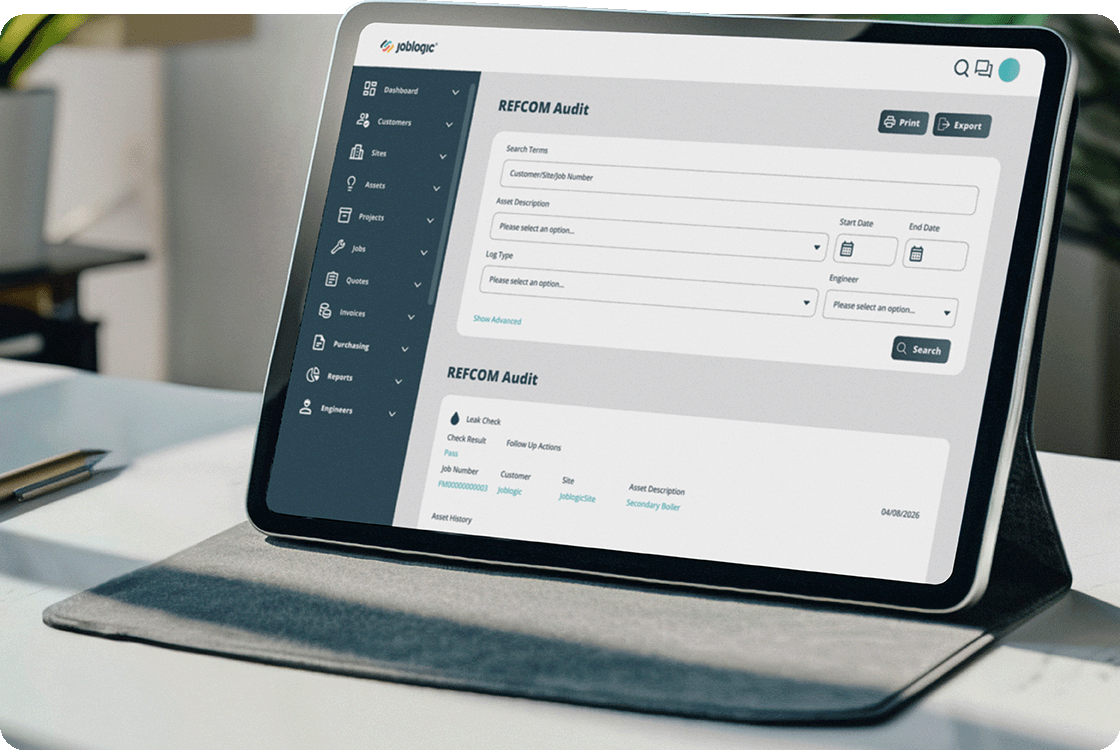
Produce F-Gas records, gas certificates and temperature logs for any site the moment a client's food safety inspection asks.
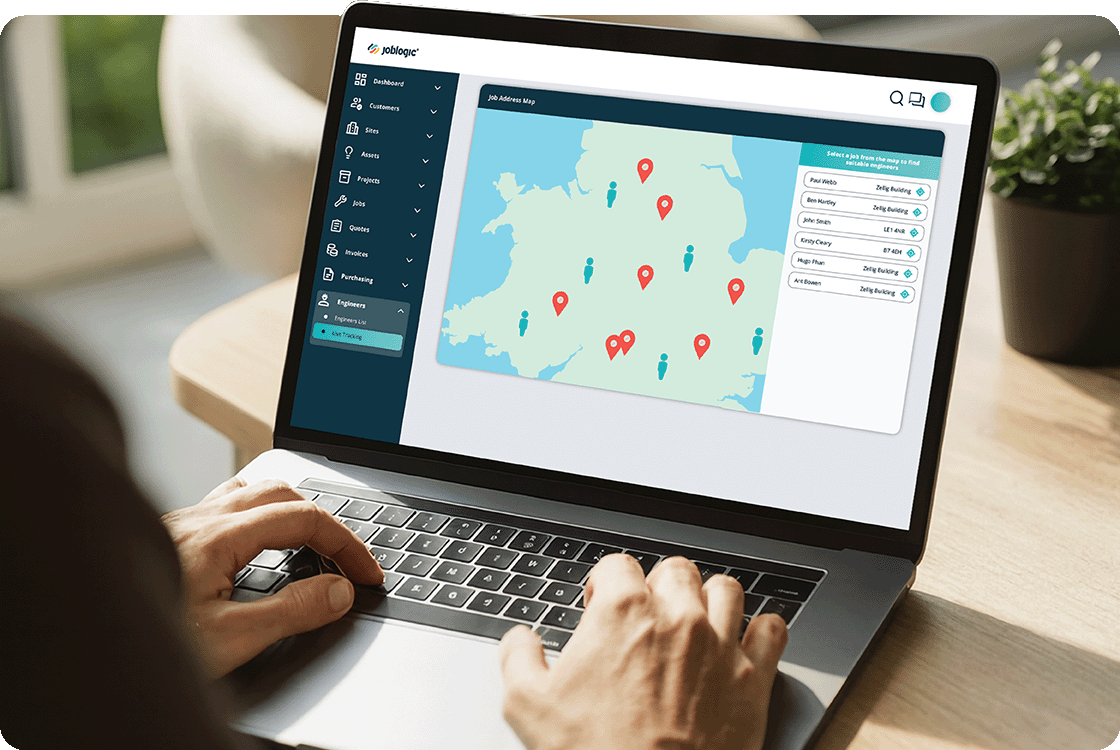
Match the callout to whoever's F-Gas or Gas Safe certified and nearest to the kitchen, instead of whoever picks up the phone.
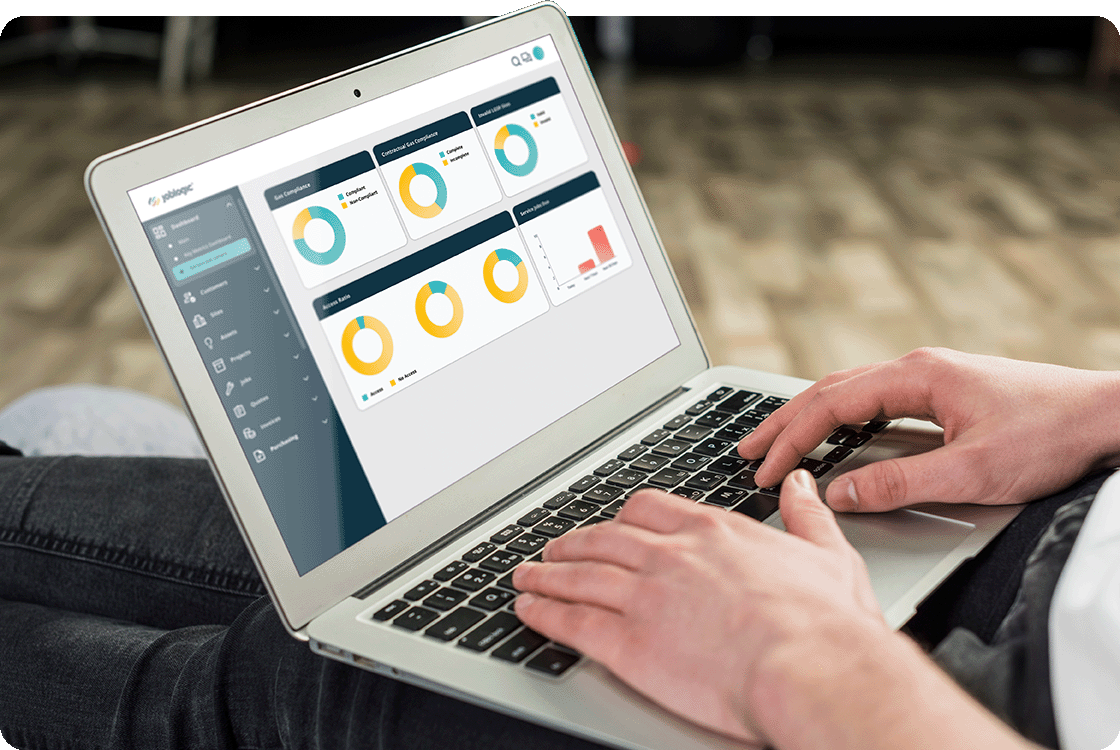
Check job status, engineer certification and outstanding compliance across every site in the chain from one screen, not a round of calls.

Turn a completed callout into an invoice the moment the engineer signs off, so emergency work doesn't sit in the pile behind the next job.
Show a chain's head office every certificate and service record before they ask, so the contract doesn't get reviewed on a bad week.
Every kitchen, every certificate and every callout tracked from job to invoice in one place.
Every oven, fridge, and extraction unit gets its own service history and lifecycle record, so replacement gets planned before the equipment fails mid-service.
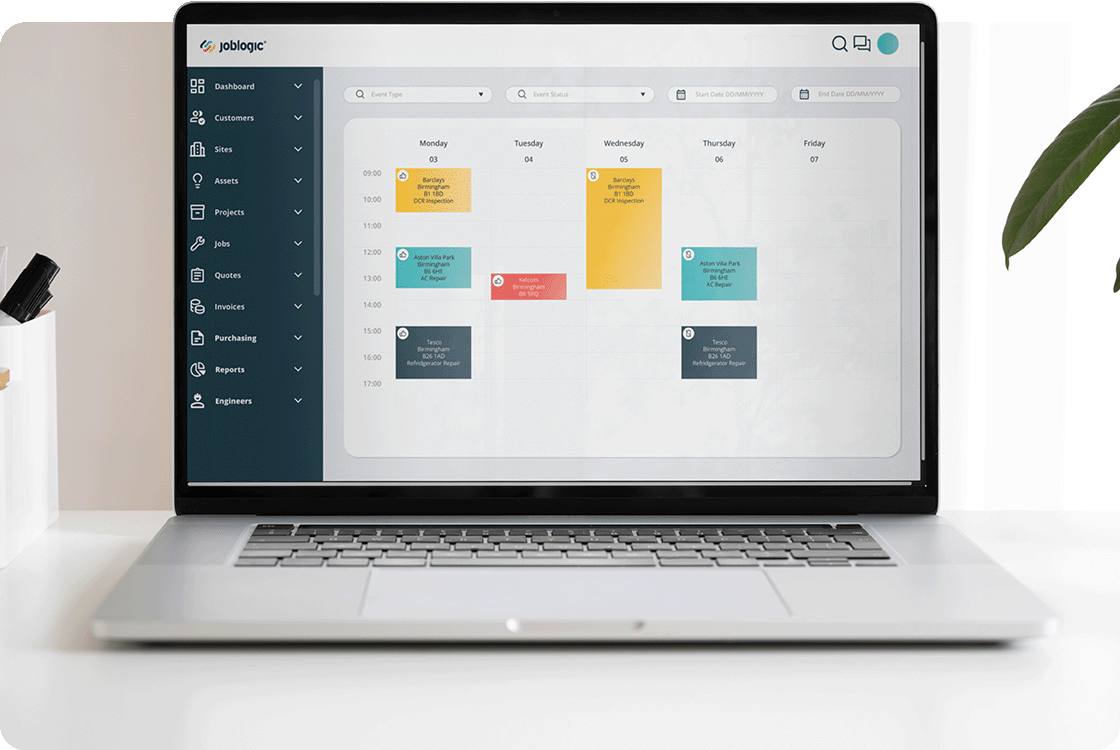
PPM rounds sit alongside emergency callouts in the same schedule, so a fridge check due this week doesn’t get bumped every time an oven breaks down.
Jobs match to engineers by certification and proximity, so an F-Gas or Gas Safe job goes to someone qualified to do it, not just whoever’s free.
Temperature logs, refrigerant records and gas certificates attach to the job and the site as the engineer completes the work, ready to export the moment a client asks.
Build one view of compliance, job status and margin across every site in the chain, so a national account doesn’t mean losing sight of any one kitchen.
Refrigerant handling, gas safety checks and fridge temperature readings attach to the job and asset the moment the engineer finishes, held in one system, not a folder in the van.
When a client’s head office asks for temperature logs and gas certificates ahead of their own food safety inspection, you export the record instead of rebuilding it from memory.
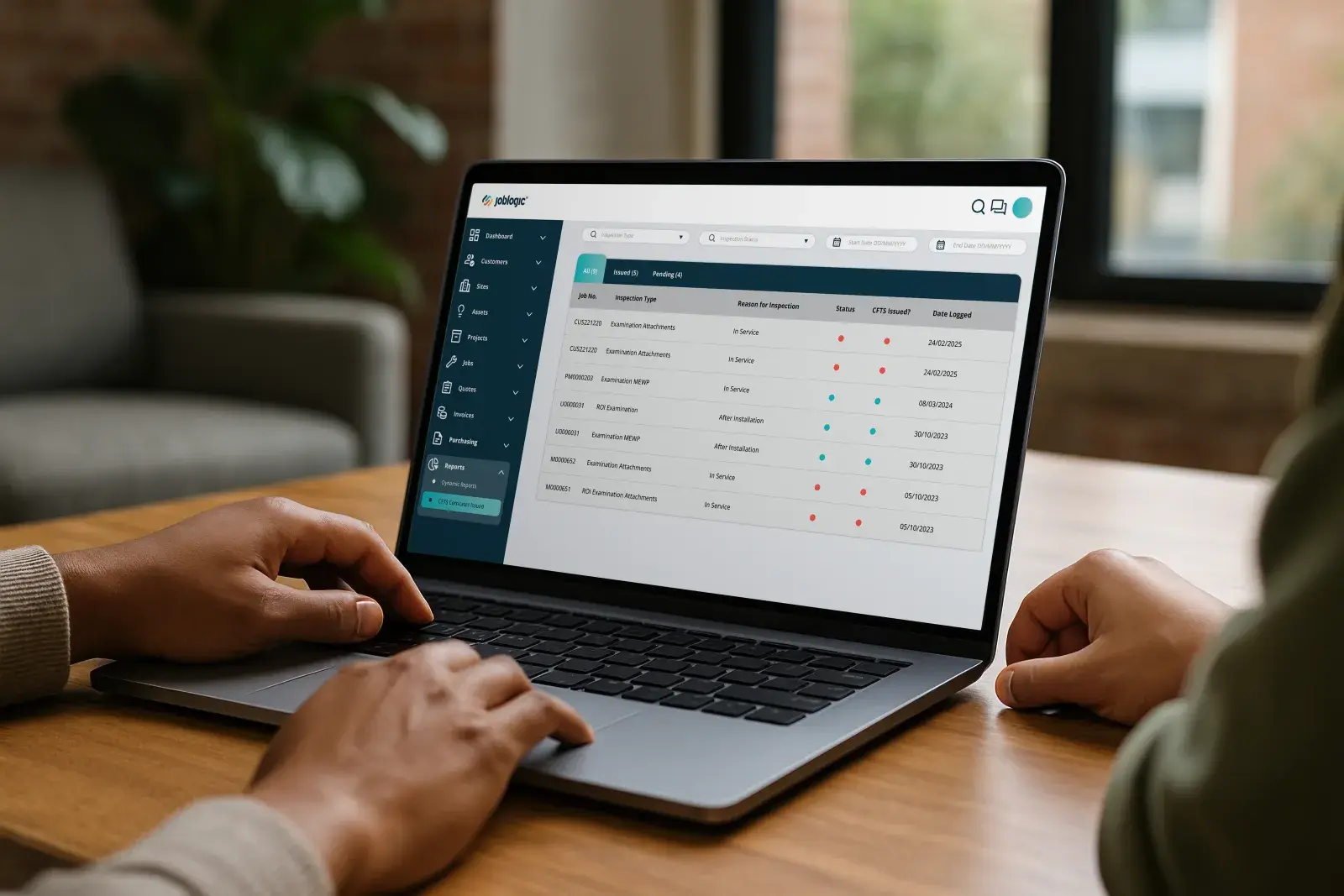
Over the last two and a half years, since using Joblogic software, we've seen a massive benefit to us and our clients due to the easy use of the system. We see Joblogic as a partner to our future success.
Who this touches depends on how big your operation is. A five-van operator runs everything through one person; a national chain contract splits it across a full team.
You dispatch the engineer, keep F-Gas and Gas Safe certificates current, and chase the invoice yourself. Joblogic keeps compliance and billing straight even when you’re the only one running it.
See how it works for ownersYou dispatch the nearest F-Gas or Gas Safe certified engineer to an emergency callout, and see the visit close out with temperature logs and certificates attached, not chased later.
See how it works for service managersYou turn a completed emergency callout into an invoice the same day, and see margin per site and per contract instead of finding out at quarter end.
See how it works for finance leadersYou run a fleet that’s grown from five vans to a national chain contract. Joblogic tracks vehicle location, mileage, and MOT dates per van, so the nearest one gets dispatched to an emergency without a call round the depot.
See how it works for fleet managersEvery engineer holds a different F-Gas or Gas Safe ticket on its own renewal date. Joblogic flags the renewal before it’s due, so scheduling never books an engineer against a certificate that’s already lapsed.
See how it works for HR managersAcross the Joblogic customer base, 80% of engineers use the mobile app day to day, a cross-vertical figure not yet measured for catering equipment servicing specifically. On site, engineers log temperature readings, capture gas and F-Gas certificates, and close out the job before leaving the kitchen. That’s the adoption test: the tool disappears into work engineers were already doing.

Connects to the accounting and parts systems you already use, and scales from one site to a national chain.
Integrates with accounting platforms including Xero, Sage, and QuickBooks, and tracks the OEM parts and stock used against each callout.
Team structures and permissions split by franchise, region or head office estate, so reporting stays accurate as the chain adds sites.
Tracks Gas Safe and F-Gas certification per engineer and asset, and the temperature logs that feed a client’s own HACCP records.
This page is written for businesses that service and repair commercial catering equipment: ovens, refrigeration, and extraction systems, at restaurants, hotels and food service venues. It’s built for the servicing contractor, not the hospitality venue itself.
Yes. Job management, scheduling, compliance and invoicing work the same way whether the job is a fridge repair, a gas oven service, or an extraction clean. Asset records track each piece of equipment separately, so a chain running all three doesn’t need three different systems to keep track of them.
Every certificate and refrigerant record attaches to the engineer, the asset and the site as the job is completed. When a client asks for the compliance history on one site or every site in a chain, you export the record instead of chasing paper certificates or old service sheets.
Yes. Subcontracted engineers get a portal scoped only to the jobs and sites you assign them, so they log completion and compliance evidence without seeing your other clients, your commercial terms or the rest of your business. This keeps one franchise’s compliance record separate from another’s.
Both. The same job, compliance, and invoicing structure holds whether you’re running five vans or a national contract across two hundred sites. Team structures and permissions split by region or franchise as the business grows, so oversight doesn’t get harder as the client list does.
Planned maintenance and emergency callouts sit in the same schedule, not two separate systems fighting for the same engineer. A reactive job gets slotted in without silently cancelling the PPM visit due that week, so planned work stops quietly disappearing every time something breaks.
Not usually. Joblogic connects to accounting platforms including Xero, Sage, and QuickBooks, so financial data moves without a manual re-key. If your parts supplier needs a separate ordering system, that integration is scoped and confirmed during implementation, not assumed out of the box.
Thirty minutes on your patch: F-Gas and gas safety records ready for any client, emergency callouts dispatched to the right certified engineer, and every site visible from one screen.