No record of what’s actually been checked
You plan next year’s inspection from a paper checklist and a good memory, so the shutter that’s been grinding for months fails on the one morning no one’s watching.
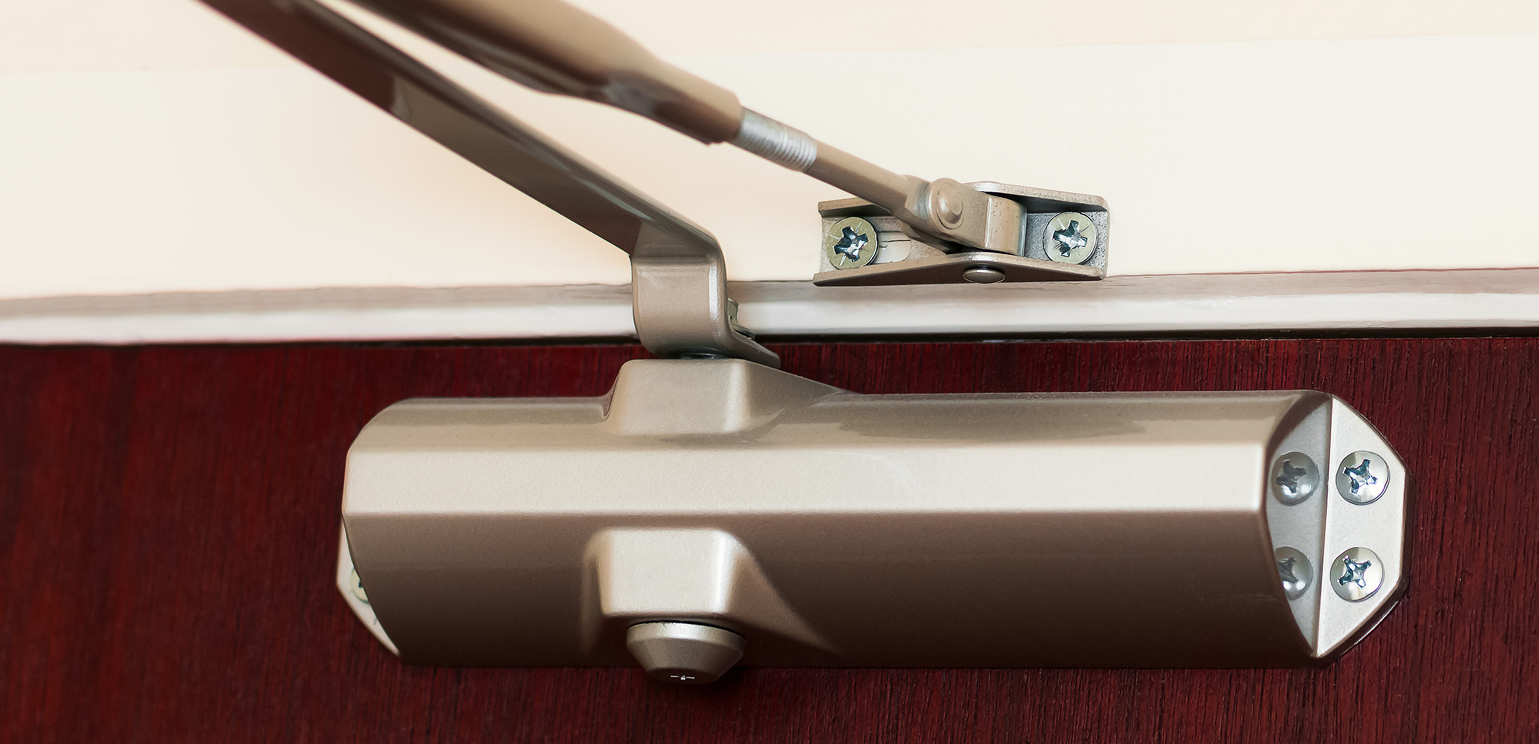
Door and shutter maintenance
Door and shutter maintenance runs on two clocks: the planned safety check and the callout that can’t wait, a shutter stuck shut is a site that can’t trade. Both pull the same engineers, and each door’s inspection history usually lives on paper.
Joblogic gives Service Managers, Operations Managers and Finance Managers one system for door and shutter asset history, planned safety checks and parts, so the planned inspection doesn’t get bumped every time an emergency callout comes in, and every check is proven when someone asks.
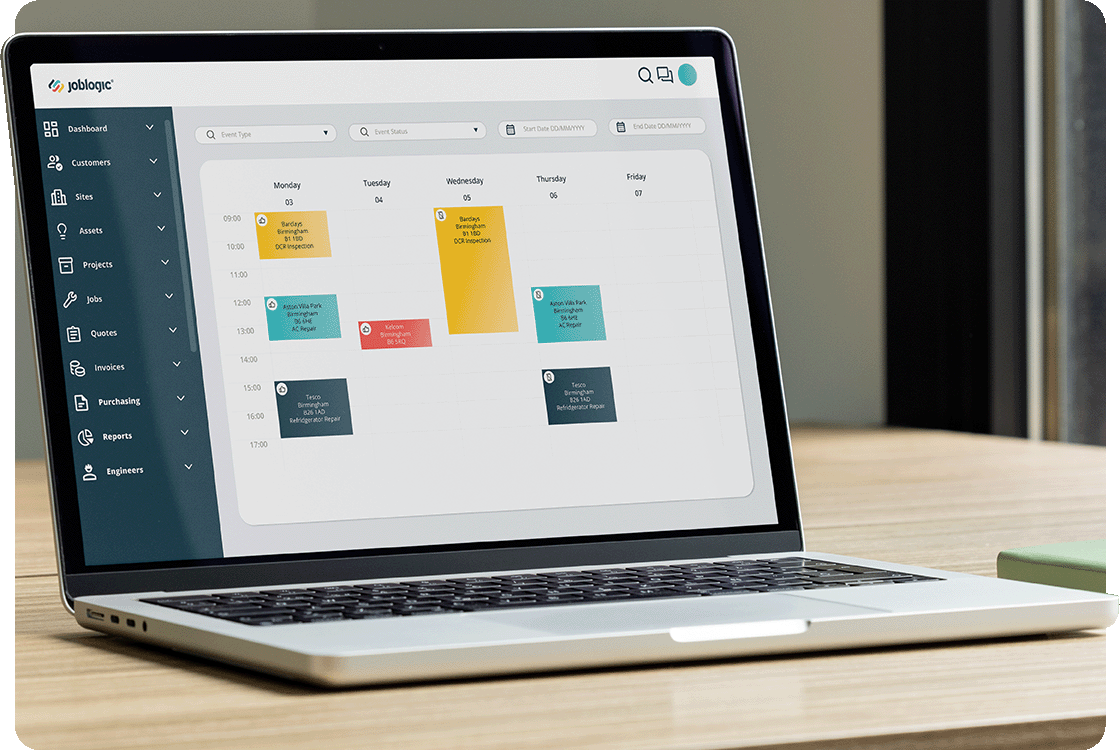
Emergency callouts, planned safety checks and multi-site records all pull in different directions until something fails first.
You plan next year’s inspection from a paper checklist and a good memory, so the shutter that’s been grinding for months fails on the one morning no one’s watching.
The door that fails next is usually the one whose check got pushed. A callout jumps the queue, and next month rarely catches up.
The customer waits twice, once for the diagnosis and once for the actual repair, because nobody checked which engineer was certified for that shutter brand before dispatch.
A fire risk assessor or insurer asks for the door’s inspection history, and you can’t produce the record, only a filing cabinet of old job sheets and a guess.

Keep the planned inspection schedule visible next to emergency callouts, so a safety check doesn't quietly get bumped every time a shutter jams.
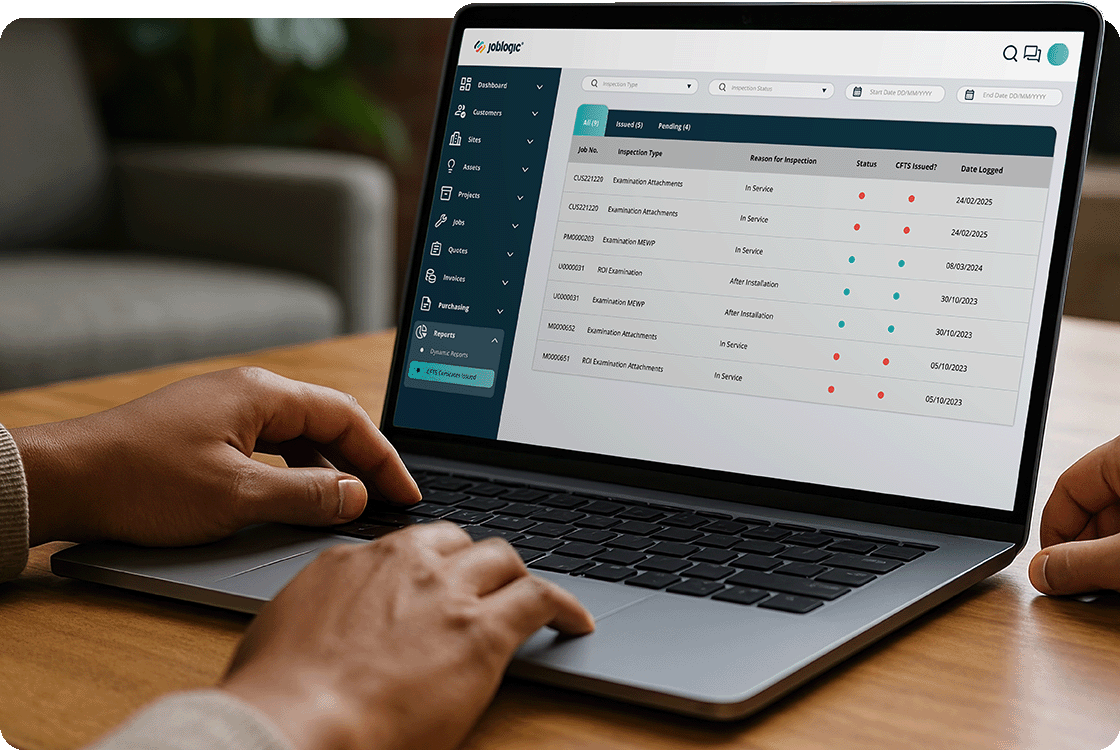
Produce the inspection history behind any door or shutter the moment a fire risk assessor, insurer or client's H&S team asks for it.
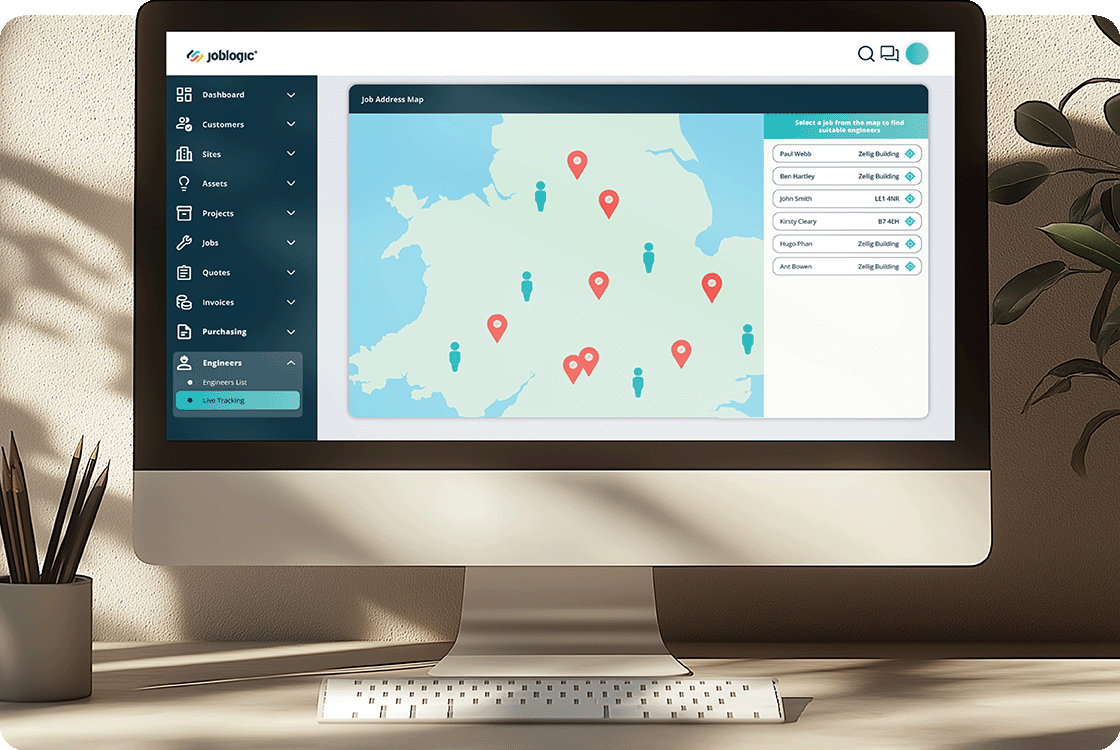
Check the state of any door, shutter or loading bay across every site from one screen, instead of ringing round for an update.

Give the retail or warehouse client a real ETA and a status update, so a stuck shutter stays an inconvenience, not a trading day lost.

Flag the door or shutter that's overdue for its safety check before it fails, not after someone gets hurt or a client asks why.
Every door, shutter, and dock leveller tracked from callout to invoice in one place.
Every door, shutter, and dock leveller gets its own record: manufacturer, install date and every safety check logged against it, so the engineer sees the full history before touching it.
Safety check schedules generate automatically per door and per site, so a planned inspection doesn’t get quietly bumped every time an emergency callout takes priority.
Jobs dispatch to engineers tagged for that door or shutter brand and certification, so the first visit is the repair, not a diagnosis followed by a second trip.
Full inspection and safety check history exports per door, per site or per client, so a compliance question starts from a record, not a phone call to the office.
Every client, site, and door type sits in one register, so a new retail estate doesn’t mean rebuilding how you already track the rest.
Every safety check, test result and engineer note attaches to the door or shutter the moment the job closes, stored against that asset in one system, not a filing cabinet.
When a fire risk assessor, insurer or client’s health and safety team asks for the history behind one door, you export the record instead of chasing old job sheets.
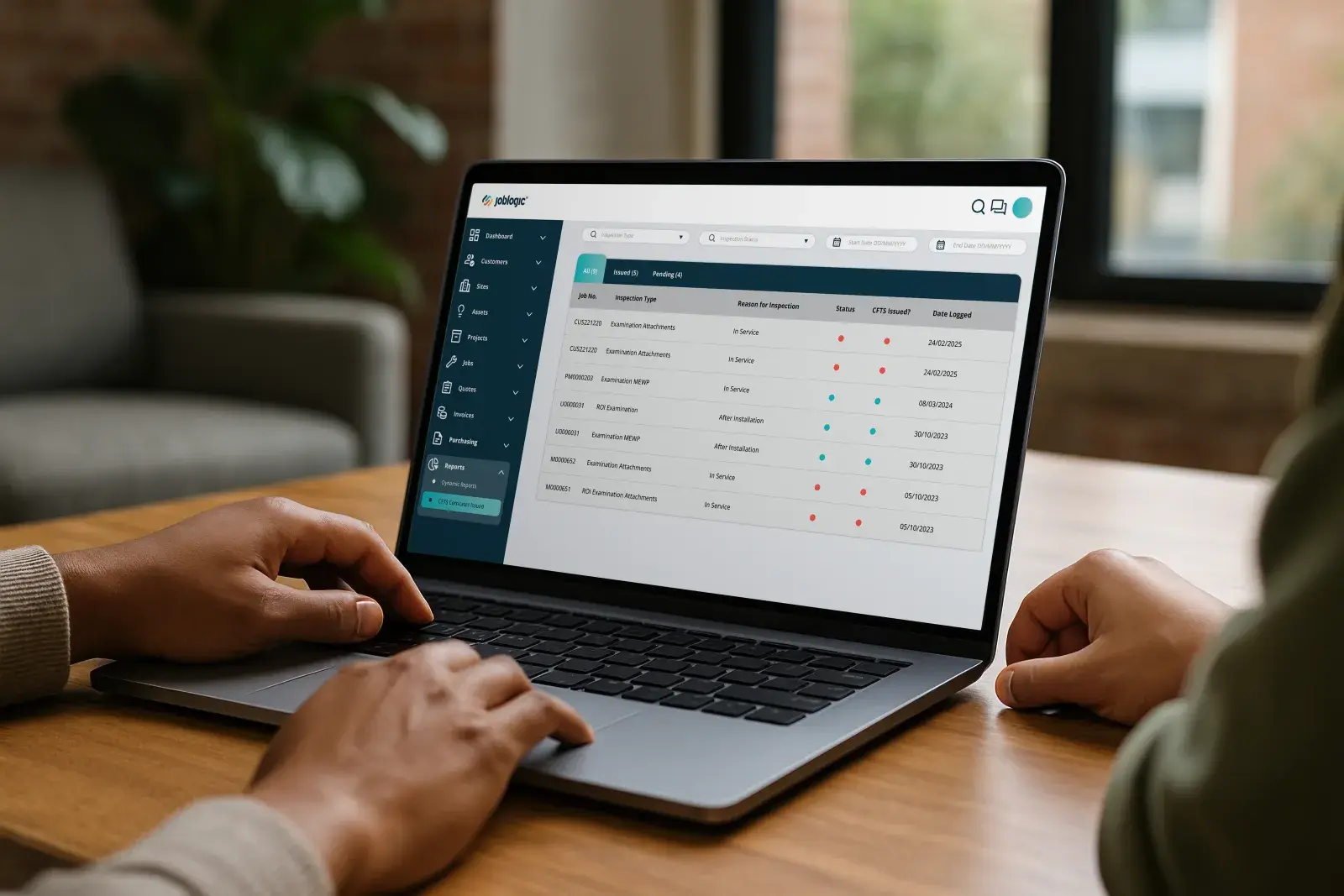
Since implementing Joblogic into our business we have seen a mass reduction in paperwork (around 80%). Gone are the days where we are searching for signed worksheets or asset information. With easy to extract reports and user-friendly dashboards, the system is already saving us time and money.
Who this touches depends on how big your operation is. A five-person door and shutter contractor runs everything through one person; a multi-site contract splits it across a full team.
You run every safety check, callout and invoice yourself. Joblogic keeps each door’s inspection history and job costs straight even when you’re the only one keeping track.
See how it works for ownersOften you’re also the owner. Joblogic sends you to the door or shutter you’re actually certified for, puts its history on your phone before you arrive, and logs the safety check and photos on site.
See the roleYou dispatch the engineer who’s certified for that door or shutter brand, and see the safety check close out with the record attached, not chased up later.
See how it works for service managersYou track parts and labour cost against every callout as it runs, so a repair that’s quietly losing money gets caught before it’s invoiced.
See how it works for finance leadersEngineers cover a wide patch chasing reactive callouts across sites. Joblogic puts vehicle location, mileage, and job status on one screen, and stops vehicle compliance checks expiring quietly in the background.
See how it works for fleet managersShutter motors, seals, and access control parts sit across vans and depots. Joblogic ties every part to the job it was used on, so you know what’s on the van before the engineer needs it.
See how it works for stock managersAcross the Joblogic customer base, 80% of engineers use the mobile app day to day, a cross-vertical figure that holds for door and shutter teams too. On site, engineers log safety test results, capture before and after photos of the mechanism, and check parts availability before a return visit. Adoption isn’t the risk here; the paperwork habit it replaces is.

Connects to the accounting and parts systems you already use, and scales from one site to a national estate.
Integrates with accounting platforms including Xero, Sage, and QuickBooks, plus supplier and parts systems for shutter motors, seals, and access control components.
Team structures and permissions split by branch, region or client account, so reporting stays accurate as the estate adds sites.
Tracks safety tests against BS EN 13241 for powered doors and gates, and keeps LOLER records against dock levellers treated as lifting equipment.
Not entirely, and we won’t claim otherwise. The planned schedule and emergency callouts sit on the same board, so a jammed shutter doesn’t silently swallow the week’s planned checks; you see both and decide what moves. If a genuine emergency does come in, no system removes the interruption, it just stops it hiding the rest of the schedule.
Yes. The asset register isn’t built around one equipment type. Automatic doors, roller shutters, fire doors and loading bay equipment like dock levellers each get their own record: manufacturer, service history and safety test results, all in the same system as everything else you maintain on site.
Yes. Subcontracted engineers get a portal scoped only to the jobs and sites you assign them. They log the safety check and any parts used there; they don’t see your other clients, your other contracts or your commercial data at all.
Every safety check attaches to the door or shutter the moment the job closes, with the date, the engineer and the test result against it. If a client, an insurer or an inspector asks for the history behind one asset, you export the record instead of chasing old job sheets.
No, and it doesn’t need to. Joblogic becomes the single place inspection records live once a job closes, rather than replacing whatever form or checklist your engineers already use to carry out the check itself. Most teams keep their existing inspection method and change only where the record ends up.
Both. The same asset, scheduling, and compliance structure holds whether you’re running one site or a national retail or warehouse estate. Team structures and permissions split by branch or region as the estate grows, so oversight doesn’t get harder as the door and shutter count does.
Thirty minutes on your estate: full inspection history against every door and shutter, planned safety checks that don’t get bumped by emergency callouts, and parts availability tracked before the van leaves.